
Best Day Trips in Warsaw for History Lovers
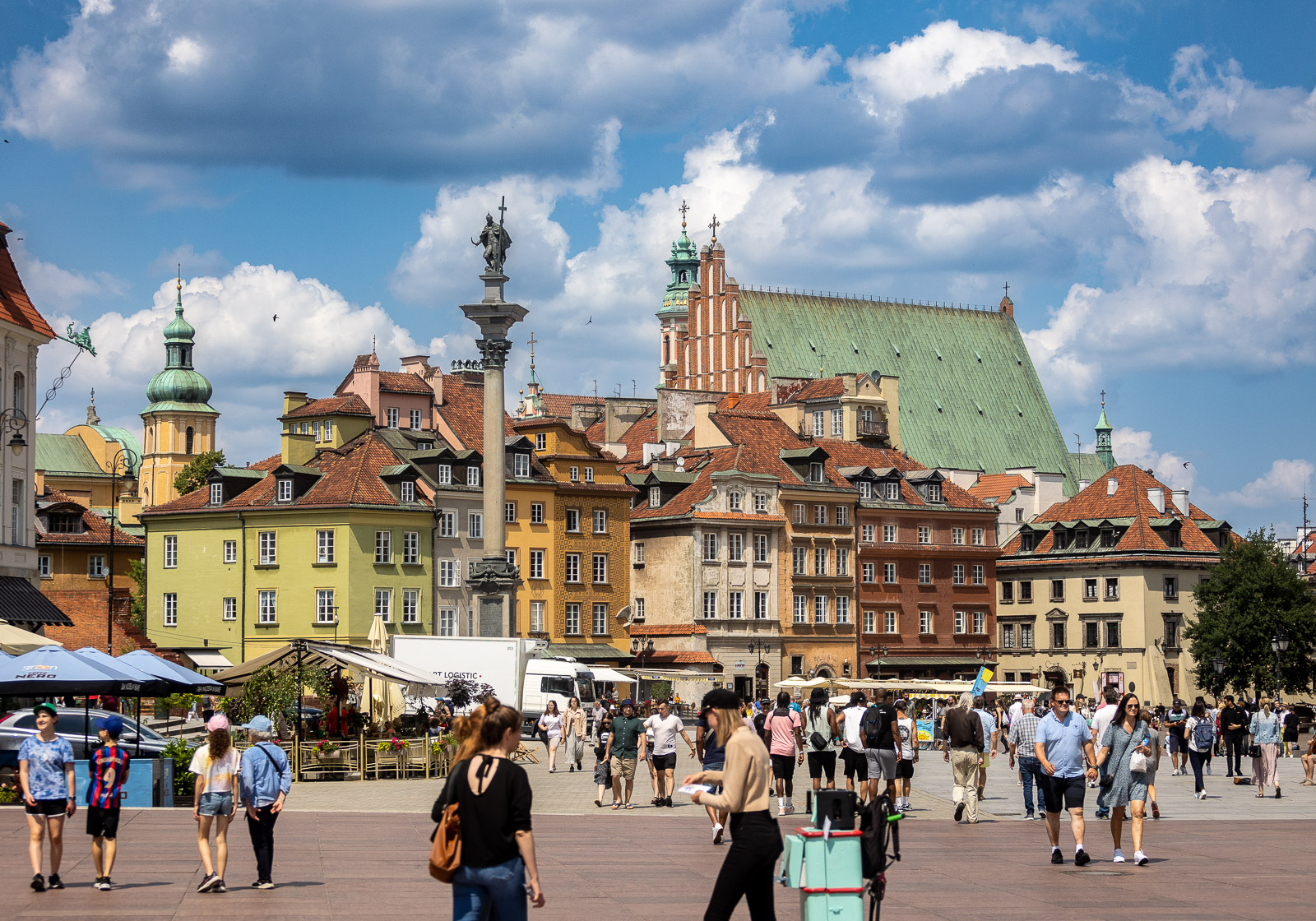
A City Built on History
Warsaw is no ordinary city. It’s a place where every street corner holds a memory, and every building carries the echo of the past. For travelers passionate about history, Warsaw is not just a destination—it’s a living museum. This guide offers a well-paced, enriching day trip itinerary designed especially for history lovers, featuring some of the city’s most compelling cultural landmarks.
At the heart of it all lies the Museum of Warsaw—a gateway to understanding the identity, trauma, and resilience of this extraordinary city.
Discover the Museum of Warsaw
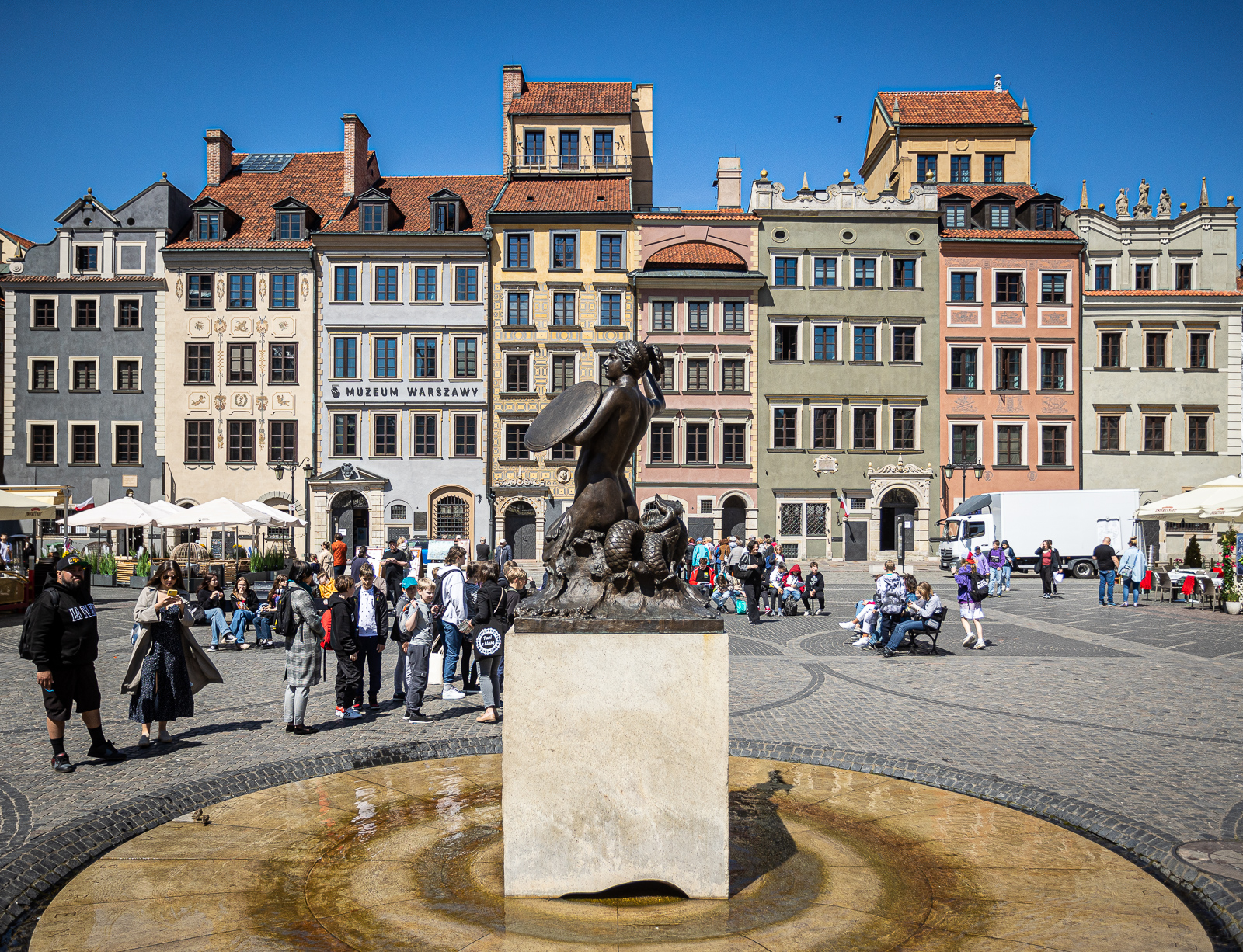
Start your day in the heart of the Old Town Market Square, where 11 beautifully restored townhouses make up the Museum of Warsaw. This is not a typical museum filled with portraits of kings or rows of dusty artifacts. Instead, the Museum of Warsaw tells the city’s story through more than 7,000 everyday objects, photographs, and personal histories.
What to See:
The Things of Warsaw: A unique permanent exhibition that reveals the soul of the city through seemingly ordinary objects—from street signs to school report cards.
The Observation Point: Climb to the top for a panoramic view of Warsaw’s Old Town rooftops—a perfect photo opportunity.
Current temporary exhibition: The Museum of Warsaw presents temporary exhibitions devoted to both the history of the city and broader issues, including Julia Keilowa, an artist associated with Warsaw, or events such as the World Youth Festival of 1955.
Visitor Tips:
Plan 90 minutes for your visit.
Audio guides and English descriptions are available throughout the museum.
If visiting on a Thursday, admission is free.
The museum sets the tone for the day: it’s intimate, emotional, and rooted in the everyday lives of Varsovians, past and present.
Dive into Warsaw’s Reconstruction
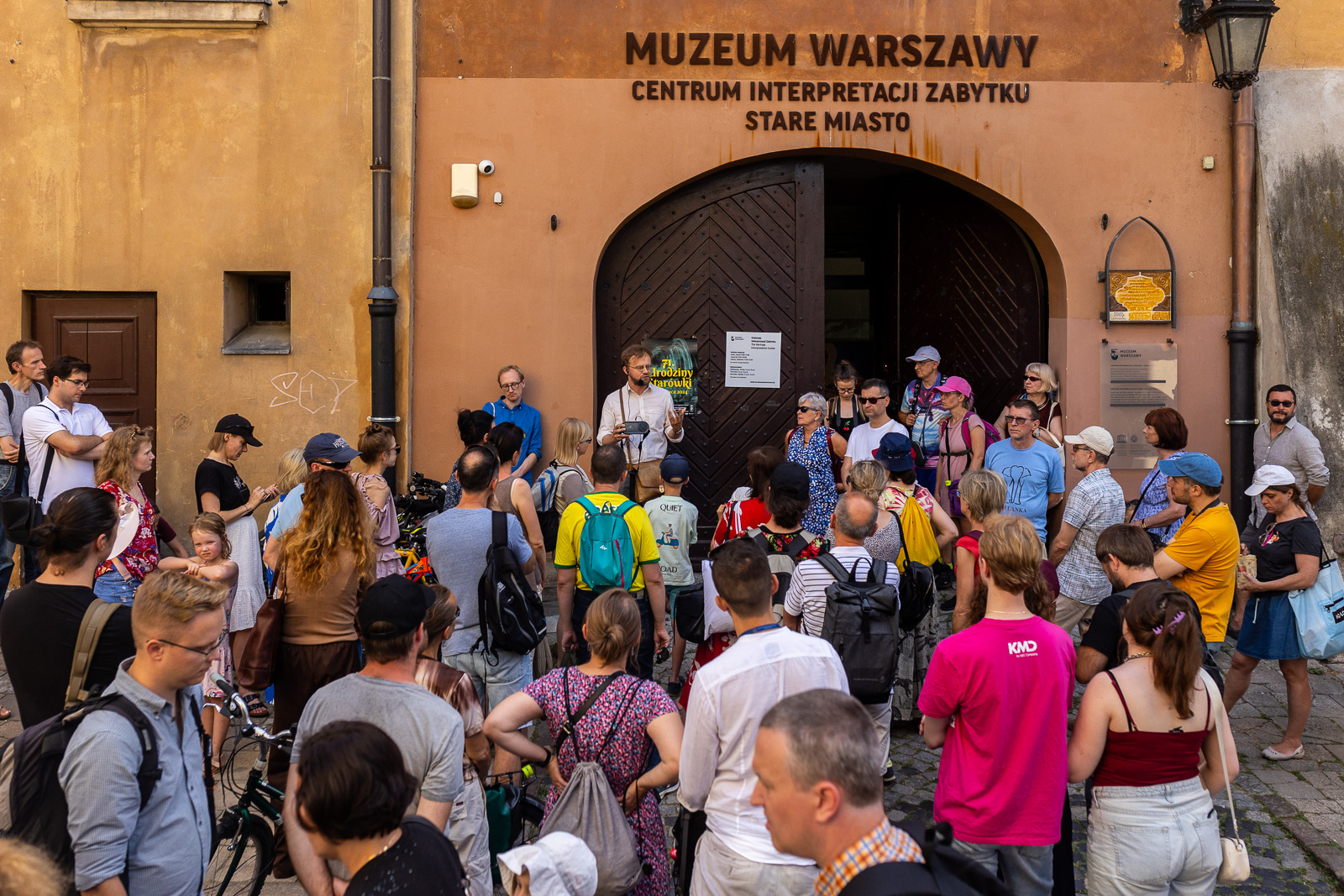
Just a five-minute walk down Brzozowa Street lies one of Warsaw’s hidden historical gems: the Heritage Interpretation Center—a satellite branch of the Museum of Warsaw.
Why Visit:
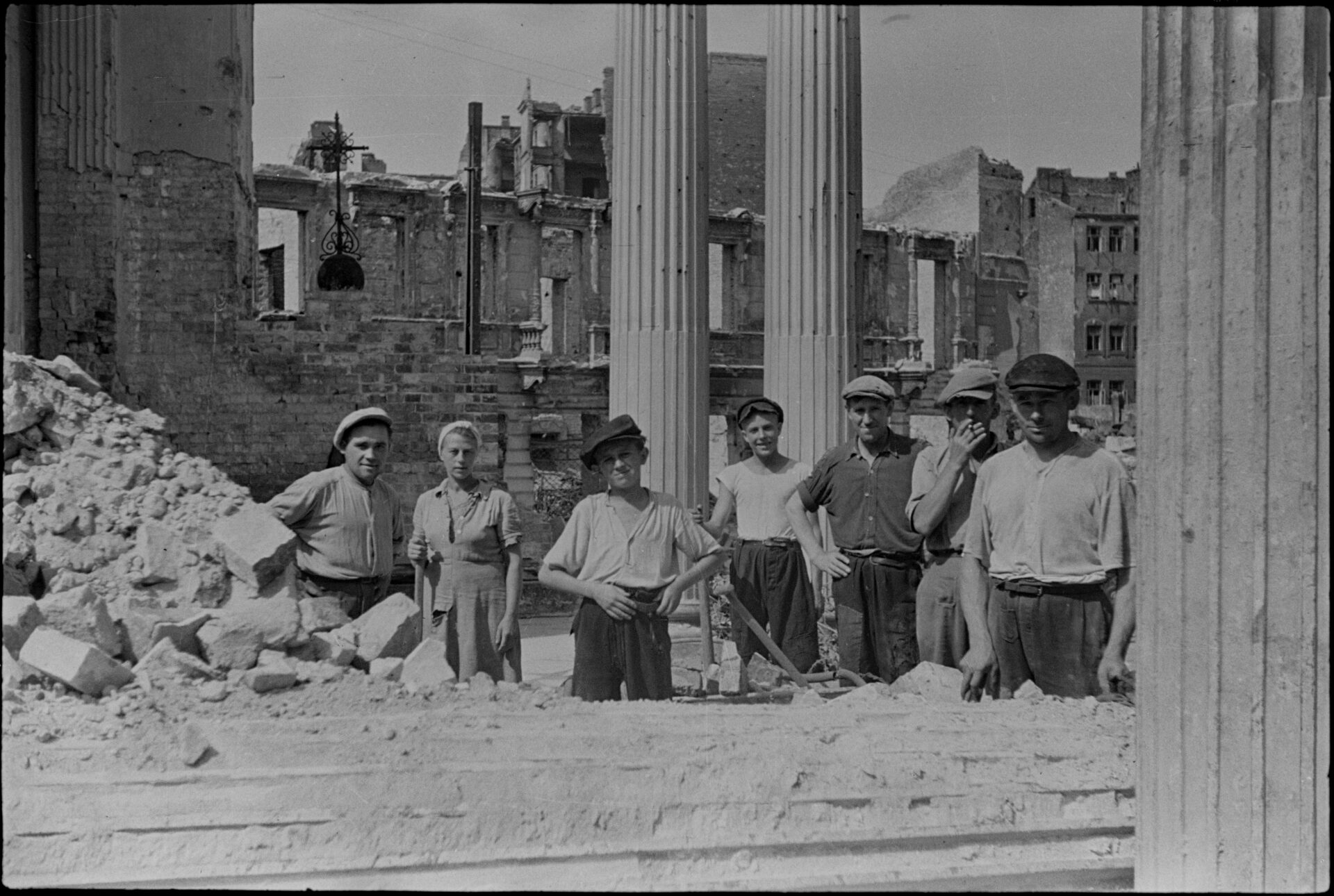
After the horrors of World War II, Warsaw was almost completely destroyed. What stands today is the result of one of the most extraordinary reconstruction efforts in European history. This center tells that story, using:
- Before-and-after visuals of the Old Town,
- 3D models showing the extent of destruction,
- Archival videos and documents,
- Interactive displays explaining reconstruction techniques and decisions.
It’s a moving experience that puts what you saw earlier in the Museum of Warsaw into powerful context. It also explains why the Old Town was designated a UNESCO World Heritage Site—not for its age, but for its incredible rebirth.
Visitor Tips:
Plan for 45–60 minutes to explore the center.
A Taste of Local Tradition
Take a break and enjoy a traditional Polish lunch in one of the historic restaurants around the Old Town Market Square. Look for places offering pierogi, żurek (sour rye soup), or placki ziemniaczane (potato pancakes).
After lunch, you’ll be ready to continue your historical journey.
Walk Through Rebuilt Warsaw
Now that you’ve explored how Warsaw was rebuilt, it’s time to walk through that reconstruction. Use the Museum of Warsaw’s self-guided map (available online) to stroll past key landmarks.
Recommended Walking Route:
The Warsaw Uprising of 1944
Follow the traces of the Warsaw Uprising and revisit the dramatic events of August and September 1944. Guided by a map, memoirs, and photographs, you’ll explore key sites of the uprising.
Old and New Town in Warsaw
The Old Town is Warsaw’s most remarkable symbol of resilience. Although it is the city’s oldest district, it was completely rebuilt after the World War II. This walk highlights the phenomenon of reconstruction, letting you compare surviving fragments with rebuilt houses and soak in the atmosphere of the most charming corner of the city.
The City of Women
Designed by Sylwia Chutnik, this route runs through the New and Old Town, following in the footsteps of extraordinary women. Learn about those who cared for the Benedictine Nuns Monastery, visit the only Maria Skłodowska-Curie Museum in the world, discover the woman behind the construction of the Vistula bridge, and see the place where “witches” were executed.
The Secrets of the Barbican and the City Walls
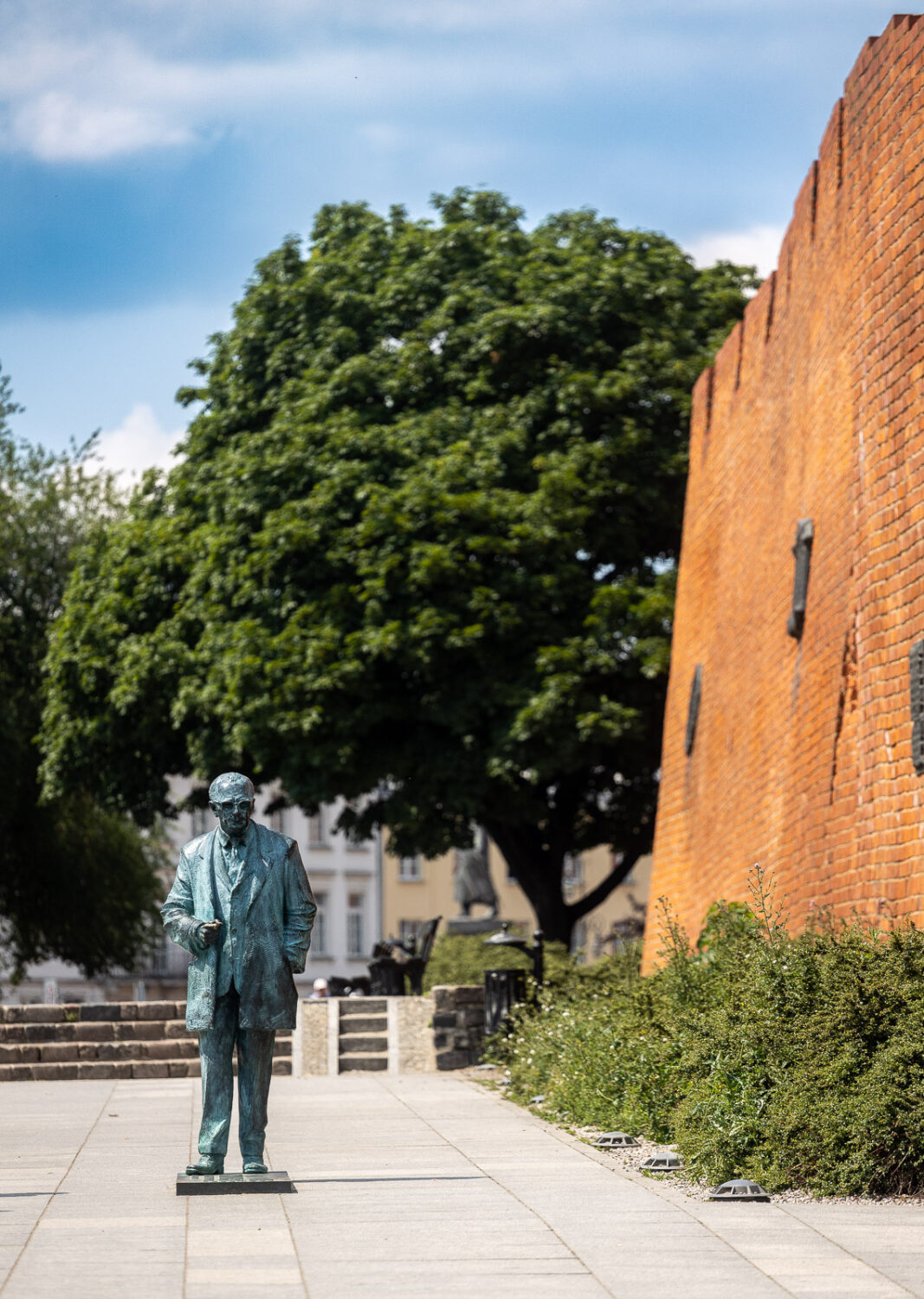
Take a walk along Warsaw’s fortifications and uncover their secrets. Find out which sections of the walls are original, how the city defended itself in the past, and how pre-war tenement houses saved medieval structures. This route is full of fascinating stories and surprising details about Warsaw’s defensive history.
As you walk, remember the photos and models you saw at the Heritage Interpretation Center. You’ll see the city with new eyes—what once looked simply beautiful now appears remarkably brave.
Explore Another Historical Museums
If you have more time and energy, choose one of the following historically rich museums to round out your day:
Warsaw Uprising Museum
Dive deep into one of the most pivotal and tragic episodes of Warsaw’s WWII history. Exhibits are dynamic and emotional, with immersive multimedia.
Maria Skłodowska-Curie Museum in Warsaw
Located in her birthplace, this museum celebrates the life and achievements of the pioneering scientist.
the Praga Museum of Warsaw
Located across the river, this branch of the Museum of Warsaw offers insight into the right-bank district’s unique culture and working-class roots.
Visitor Information and Practical Tips
Museum of Warsaw
Address: Old Town Market Square 28-42 (Rynek Starego Miasta 28–42)
Free admission on Thursdays
Website: www.muzeumwarszawy.pl/en
the Heritage Interpretation Center
Address: 11/13 Brzozowa Street (ul. Brzozowa 11/13)
Free admission on Thursdays
Website: www.ciz.muzeumwarszawy.pl/en/
Why the Museum of Warsaw Is the Ideal Starting Point
Many travelers begin in Warsaw and move on quickly to Kraków or Gdańsk—but Warsaw deserves your time. The Museum of Warsaw and its branches tell the story of a city that refused to disappear.
If you only have one day for history, this route will give you:
- A strong emotional connection to the city,
- A clear understanding of how it came to be,
- And unforgettable stories to carry with you.
Start at the museum. Let the city speak for itself.